Raw gingerbread balls

It’s always fun to ask the family, “what would you like me to bake this week?”, and have them reply with the most unhealthy suggestions they can think of just to see my reaction. So when the request went out for gingerbread, I initially rolled my eyes and laughed. But then I wondered if I couldn’t come up with an energy-dense raw snack with those spicy gingerbread flavours but without the sugar, butter and white flour. I have based this recipe on one from Nutritionist in the Kitch, but tweaked it to suit our needs and tastes.
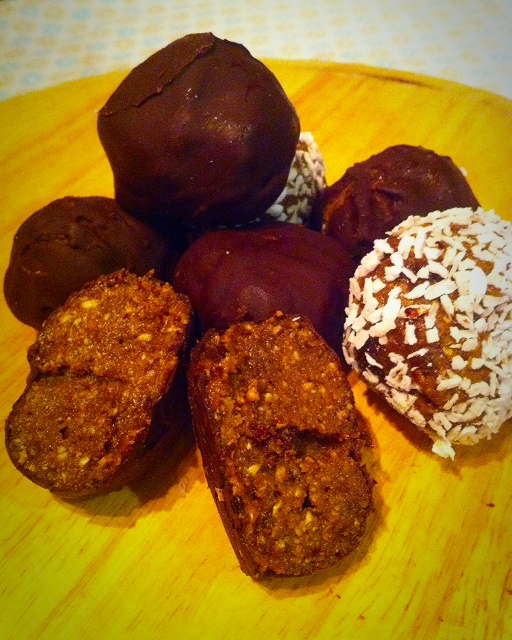
photo (002)

3/4 cup rolled oats

1/2 cup walnuts

1/3 cup brazil nuts

1/4 cup cashew nuts

1 cup dates, soaked in boiling water for 1 hour and drained

½ cup sultanas

1 tablespoon cinnamon

1 tablespoon ground ginger

1 tablespoon lucuma powder

1 teaspoon nutmeg

1 tablespoon organic blackstrap molasses

1 tablespoon agave syrup (honey would work also)

12 squares Whittakers Dark Chocolate or 3/4 cup desiccated coconut


Combine all the dry ingredients and spices in a blender and blend until the mixture looks like fine crumbs. Add the drained dates, sultanas, molasses and agave until well combined.

Roll the mixture into balls and freeze until firm (about an hour). At this stage you can either roll the balls in the coconut, or melt the chocolate and dip them in it to coat. Either is delicious.
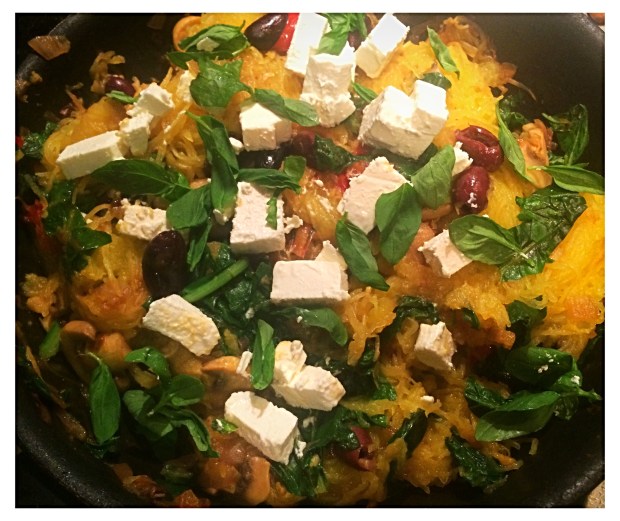


Spaghetti squash; my new favourite thing!

spaghetti squash

I keep coming across recipes online which use this strange ingredient, so when I saw a spaghetti squash for the first time in my local supermarket I grabbed it! Then spent ages searching for tips on how the hell to cook the stuff.

It turns out that spaghetti squash is just like normal squash, but when cooked it shreds into these amazing spaghetti-like strings and the flavour mellows to a gentle nutty sort of pumpkin taste.

So, armed with this knowledge, I cut my newly purchased spaghetti squash into quarters, seasoned it with olive oil, salt and pepper, and baked it at 200 degrees for about 40 minutes. Once it had cooled down to a manageable temperature, I held my breath and dug into the flesh with a fork. And it really worked! Gorgeous pumpkin strings materialized and within minutes I had a bowl full of perfectly formed squash strands.

So what to cook with it? I guess any sauce that goes well with pasta would work with spaghetti squash-and I fully intend to test that theory! For tonight’s nervous debut though I played it safe with sauteed garlic and shallot, mushrooms, shredded spinach, fresh basil, cherry tomatoes, feta, kalamata olives and a good grating of parmesan to top it off. The verdict? Well, not everyone in the family was completely sold, but everyone’s bowl was licked clean at the end of the meal…so I’m going to give it a tick. Spaghetti squash is never going to pass for the real thing, but that’s not the point. It’s a tasty low calorie vegetable base for meals with such a low GI that it won’t give you cloudy brain half an hour after eating it. It’s full of great nutrients like folic acid, potassium, Vitamin A, and beta carotene, and is an easy way to get one of your 5+ servings of vegetables. It is perfect for vegans and people who eat gluten free. And it’s really filling! Are you sold yet?

I’d love to hear about other people’s experiences with spaghetti squash and welcome any recipe ideas. Sorry family, I think this ingredient is here to stay…


5 steps to a perfect salad

I don’t know about you, but I like a salad to be a complete meal that will keep me full for hours. There’s a time and a place for a pile of mixed leaves beside your steak and chips, but I’m talking about a one bowl meal full of tastes and textures and interesting stuff. I have 5 rules for building a perfect salad:

  1. Choose your protein. A bunch of raw vegetables is just not going to fill me up, so I always include a protein. It might be meat (think prawns, smoked salmon, tinned tuna, chicken etc), but will just as likely be some crumbled cheese, a handful of chickpeas, toasted nuts or seeds. Protein keeps you full and helps build muscle, so is an important part of any meal.
  2. It doesn’t have to be raw. While raw vegetables can make you feel clean and virtuous, it’s good to  mix it up with cooked veg sometimes too. I like to add blanched broccoli and cauliflower, roasted root vegetables, or sauteed mushrooms, peppers and courgettes. It can be nice to have a hot/cold mix going on in one bowl too.
  3. Be adventurous. The best salads have unexpected ingredients that elevate them to the next level. Think beyond the traditional with fresh berries, roasted pears, candied nuts, huge handfuls of fresh herbs, pickled vegetables, dried fruit like cranberries, or croutons made from any stale bread you have to hand.
  4. Include some good fat. Studies have shown that a little fat with your salad can help you absorb valuable nutrients from the vegetables. Chopped avocado, a handful of seeds or a little crumbled blue cheese will do the job, but even easier is ensuring you include some good unsaturated oil in your dressing such as extra virgin olive oil .
  5. Presentation! No one was ever impressed by a pile of limp lettuce leaves on their plate! I always make my salads in a shallow platter so you can see more of the good stuff that’s in there. Rather than tossing a salad, I usually layer it so that it looks even more appetising. And I always pay attention to making sure there is a good selection of colours and textures in there to avoid the ‘green on green on green’ effect.

So what are you waiting for? There is always a great variety of salad ingredients readily available, no matter what the season. Be adventurous, have some fun, and reap the health rewards of eating a salad a day!