5 steps to a perfect salad

I don’t know about you, but I like a salad to be a complete meal that will keep me full for hours. There’s a time and a place for a pile of mixed leaves beside your steak and chips, but I’m talking about a one bowl meal full of tastes and textures and interesting stuff. I have 5 rules for building a perfect salad:

  1. Choose your protein. A bunch of raw vegetables is just not going to fill me up, so I always include a protein. It might be meat (think prawns, smoked salmon, tinned tuna, chicken etc), but will just as likely be some crumbled cheese, a handful of chickpeas, toasted nuts or seeds. Protein keeps you full and helps build muscle, so is an important part of any meal.
  2. It doesn’t have to be raw. While raw vegetables can make you feel clean and virtuous, it’s good to  mix it up with cooked veg sometimes too. I like to add blanched broccoli and cauliflower, roasted root vegetables, or sauteed mushrooms, peppers and courgettes. It can be nice to have a hot/cold mix going on in one bowl too.
  3. Be adventurous. The best salads have unexpected ingredients that elevate them to the next level. Think beyond the traditional with fresh berries, roasted pears, candied nuts, huge handfuls of fresh herbs, pickled vegetables, dried fruit like cranberries, or croutons made from any stale bread you have to hand.
  4. Include some good fat. Studies have shown that a little fat with your salad can help you absorb valuable nutrients from the vegetables. Chopped avocado, a handful of seeds or a little crumbled blue cheese will do the job, but even easier is ensuring you include some good unsaturated oil in your dressing such as extra virgin olive oil .
  5. Presentation! No one was ever impressed by a pile of limp lettuce leaves on their plate! I always make my salads in a shallow platter so you can see more of the good stuff that’s in there. Rather than tossing a salad, I usually layer it so that it looks even more appetising. And I always pay attention to making sure there is a good selection of colours and textures in there to avoid the ‘green on green on green’ effect.

So what are you waiting for? There is always a great variety of salad ingredients readily available, no matter what the season. Be adventurous, have some fun, and reap the health rewards of eating a salad a day!
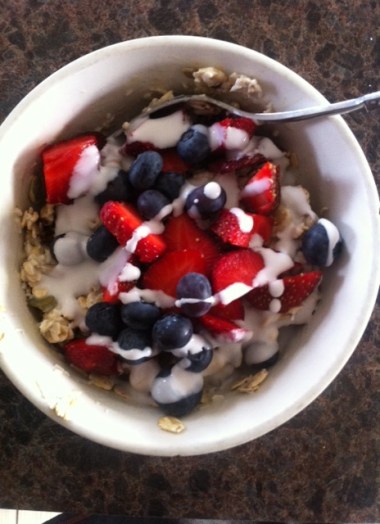

Creamiest Bircher Muesli Ever

There’s rarely a day I don’t start with some form of oaty breakfast; oats keep me full all morning and provide a great source of fibre. In fact, there is research showing that the fibre found in oats, beta-glucan, can lower cholesterol and help fight heart disease.

However, one bowl of muesli can start to taste a lot like another, so I like to mix it up with different ingredients and toppings. I hit on a winner today; using a 50/50 milk and coconut cream mix to soak my Bircher muesli overnight resulted in a thick, creamy muesli that tasted more like a dessert!

My muesli ingredients and ratios tend to change depending on what I have to hand, but always include wholegrain rolled oats, seeds, nuts and dried fruit. Here is a general idea of how I made this bowl of deliciousness. Feel free to use it as a guide and change it up to suit you. The important thing is to get organised the night before so the muesli has a chance to soak up all the liquid and get good and creamy.

bircher

Handful wholegrain rolled oats

Handful sunflower seeds

Handful pumpkin seeds

Handful macadamia nuts (or walnuts, almonds, brazil nuts etc)

1 tablespoon sesame seeds

2 tablespoons desiccated coconut or coconut flakes

4 dates, chopped (or a handful of sultanas)

1/2 teaspoon cinnamon

1/4 cup milk (dairy, soy, almond, whatever you like)

1/4 cup full cream coconut cream (I used Kara)

Fresh fruit for topping


Get this prepared before going to bed. Mix all the dry ingredients in a bowl, combine the milk and coconut cream and pour over the top. It should just cover the dry stuff, so you might need slightly more or less. Stir until well mixed and leave in the fridge.

In the morning, get the muesli out a few minutes before you want to eat, so it comes up closer to room temperature. If it looks a bit dry, stir through a bit more milk to loosen it. Top with your choice of topping: yogurt, sliced banana, fresh fruit, chopped nuts, dried fruit…I used fresh berries and an extra drizzle of coconut cream.


Caffeine: the best legal performance enhancer for runners!

I have always insisted on a cup of coffee before a race or a long run, because I know I’ll feel like crap without it. I took me a while to cotton on to the fact that it was actually helping my performance though!

All the studies on caffeine use in athletes show that in moderate doses, it can have a positive effect on performance. The main reason seems to be that it enhances reaction time, so the messages get from your brain to your muscles more quickly, helping you run faster and feel less stress. It can also improve your body’s use of fat as a fuel,avoiding glycogen depletion and that ‘dead-leg’ feeling. For more information about caffeine use in athletes, check out this excellent article.

Experts say that the best time to drink coffee is an hour before a race, and this is certainly what I have found works for me. It might mean a toilet stop slightly earlier than planned though!

Because I don’t want to be slowed down or bloated by a milky, frothy coffee, I now drink cold brew before my runs. It is perfect because it doesn’t require any milk or sugar, and is smooth and mellow. I didn’t invent the process of making cold brew, but would like to share the recipe because it’s delicious and incredibly easy to make. Even if you’re not usually a black coffee drinker (I certainly wasn’t), I urge you to try this. Because the coffee beans aren’t heated at any stage of the process, the coffee doesn’t become bitter but stays mild and sweet.

Here’s what I do:

Buy a standard 200 gram bag of ground coffee in a plunger grind. If you like to grind your own beans, use the coarsest setting on your grinder.

Tip the coffee and a 1.5 litre bottle of filtered water into a bowl, stir, cover and leave for 24 hours.

After 24 hours, you need to filter the coffee. I do this in 2 stages. First, tip the lot through a sieve to get the bulk of the grounds out. I chuck these on my garden as fertiliser.

Then get a piece of muslin or a double-ply paper towel and use it to line a funnel. Sit this in a 1.5 litre glass bottle and gradually tip the coffee into it. It takes about 20 minutes to filter it, so I usually just leave it dripping and tip a bit more in each time I walk through the kitchen.

Once it’s all filtered, that’s it! Keep the bottle in the fridge, and when you want to make a coffee, pour 2-3 cm into a coffee cup and top with boiling water. You can play with the coffee to water ratio until you find the way you like it.

This is also really portable; I often take a screw-top jar of the concentrate to work and top it up with boiling water for a much nicer coffee than staffroom instant!

I would love to hear feedback from anyone who gives this a go, so please leave a comment and tell me how you found it. I hope to create a couple of cold-brew converts!


Black_Coffee_Cup_PNG_Clipart_Image

Do active people need carbs?

It seems like every day a new study comes out about which foods are ‘super’ and which ones are going to kill us. I don’t know if it’s just me, but beneath all the hype and contradiction, the same basic message seems to hold true; eat LOTS of fresh fruit and vegetables, some healthy wholegrain, some protein, some good fat, and avoid processed stuff as much as possible.

I find most of this advice pretty easy to follow, (as you can see from my salad recipes!), but find the advice around carbohydrates really confusing.

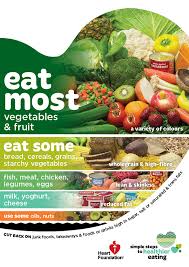
In New Zealand, the Heart Foundation has carbohydrates sitting second on the Food Pyramid in the ‘eat some’ category, just above fruit and vegetables and below meat and eggs. At the same time, there is a strong Low-Carb/No-Carb movement championing the removal of all carbs from our diet.

pyramid

I am not a nutritionist, but have spent 20 years learning what works for me, and have come to some conclusions around carbs.

  1. Here in NZ we generally eat too much carbohydrate. Toast for breakfast, sandwiches for lunch, crackers for afternoon tea, rice for dinner; you get the picture. If you are looking to make a healthy change to your diet, carbs could be a good place to start.
  2. Many people, especially active people, need carbs. I know I do! Cutting carbs when you are burning a lot of energy through exercise can cause your body’s glycogen stores to deplete, forcing it to use fat or muscle protein. Find out more about why active people need carbs here.
  3. Glycaemic Index (GI) is more important than total carbs consumed. Eating low GI foods avoids blood sugar spikes and slumps, and helps maintain an even rate of energy burning. Becoming familiar with the Glycaemic Index could really help with your energy levels. You can find a good GI chart here
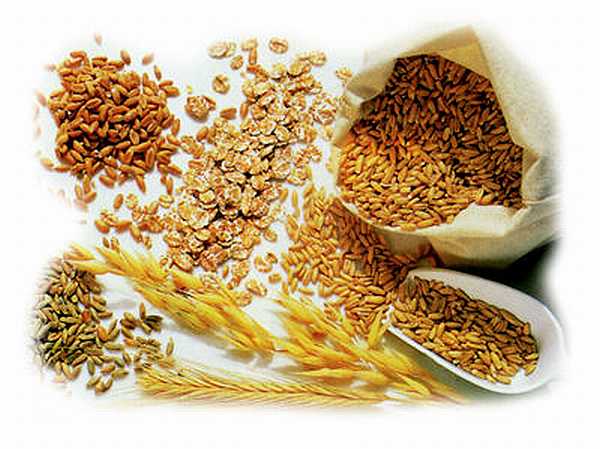
  4. Make your carbs count by eating as many whole grains and unprocessed products as possible. This means making some simple swaps, but by opting for the brown version, you will ensure you get all the nutrients in the outer layer of the cereal/vegetable that are taken away in processing.
  5. Timing matters. I need simple carbs (higher GI) before and straight after a big workout, and more complex carbs every 2.5-3.5 hours the rest of the time.

Whole-Grains

So, I need to remind myself that carbs are not baddies, I do need to eat them to fuel an active lifestyle, but I need to choose low GI, high-fibre, whole foods with as little processing as possible. I can do that.