5+ a day? No way!

As a keen runner, walker, swimmer and yogi, having to spend 4 weeks in a moon boot with no chance for physical activity at all has meant that I’ve had to be very creative and disciplined with my diet! One thing that I wanted to improve was my vegetable intake. I just don’t believe that the World Health Organisation’s target of 5+ servings a day is adequate for good health. The research is beginning to back this up; see this article from The Telegraph: http://www.telegraph.co.uk/news/science/science-news/10735633/Healthy-diet-means-10-portions-of-fruit-and-vegetables-per-day-not-five.html

I spent a bit of time researching various food trends, and one that got my interest is the Alkaline Diet. Eating food that is alkalinsing for the body is touted to have plenty of health benefits, especially for autoimmune diseases like RA, so I decided to give it a go. Like any food fad, you can do it moderately or go the extreme way. With a busy job and family, I opted to ease into the diet and pick out the bits that appealed to me.

So the most basic and important and part of eating alkaline is to make 75% of your daily intake fresh, preferably raw fruit and vegetables. The other 25% should be made up of alkaline foods, but I kind of figured that any treats could come under the 25% allowance too! So basically my plan was to eat at least 7 cups of veges a day, and cut down on everything else.

At first it sounded daunting, but the first step was to go to the local market and get a huge variety of fresh vegetables. With my fridge chock-full of all that crunchy fresh goodness, getting inspired wasn’t a problem.

The first thing I did was approach meals differently, so rather than plan how to include fresh vegetables in my meal, I planned how to make it with vegetables and accent it with a small amount of protein or grains. I tried to eat only as much wheat as other grains, and keep dairy to a minimum. I included small amounts of fish and free range chicken, but avoided red meat as it is highly acidic.

Some clever tips and swaps I have discovered have been:

  • Swap a bread wrap with an iceberg lettuce leaf to make a lunch wrap entirely raw. A bit of hummus or home made aioli adds protein
  • Swap pasta/rice/noodles for spinach. It works! One night the kids made nachos, and I spooned some bean mixture over chopped raw spinach. It was delicious and surprisingly filling!
  • Get vegetables in at every opportunity. A vege juice first thing in the morning, carrot sticks with hummus for morning tea, salad wrap for lunch, avocado and tomato for afternoon tea, and a salad for dinner easily adds up to 7 cups
  • Use less alkalising food as an accent, not the main event. So a few bites of chicken could liven up a curry, while only making up about 5% of it rather than being the main ingredient. A couple of slices of haloumi can lift a vege platter to a new level!
  • Legumes are your friend. Sometimes it feels like vegetables alone just will not fill you up, so a handful of chickpeas, a spoonful of bean salad, a blob of hummus or a couple of falafel can give you the protein you need for satiety
  • Be creative about making snacks vege-based. I have been snacking on beetroot chips, sliced red capsicum, carrot sticks, kale chips and avocado
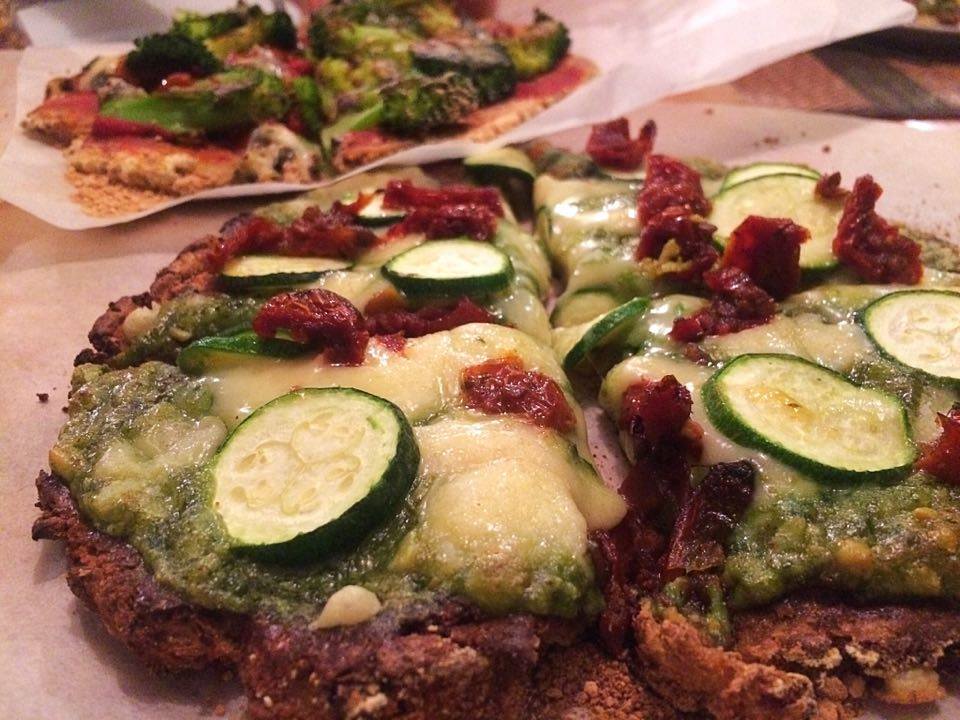
  • I know it’s become a bit of a cliche, but cauliflower makes an excellent substitute for rice, bread, and potato. Here’s some delicious cauliflower pizzas I made topped with fresh vegetables (and cheese for the kids). Let me know if you’d like the recipe.
The hard-core Alkaline people get technical about food combining and ph levels, and I’m sure that you would get even more health benefits from following all the rules. But for now, I’m happy to be serving more fresh vegetables to my family and using nature’s bounty as the basis of all my meals.
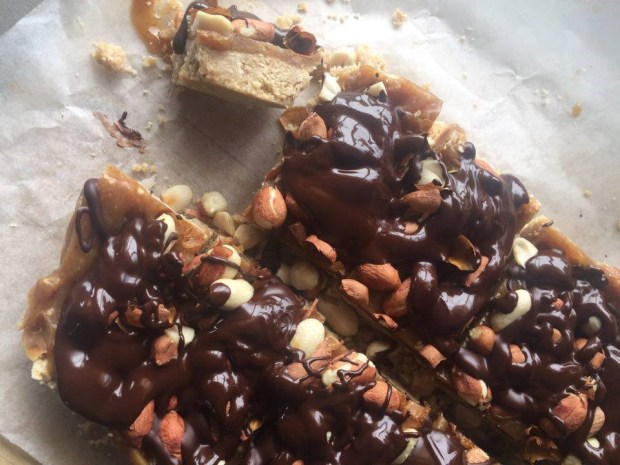
Post run treat that you won’t regret eating

When I was a kid, Saturday mornings used to revolve around the local Harrier club. Groups of like-minded runners would get together and go for social (or not so social) training runs around the hills of Wellington. Pity the poor parent who had to take a gaggle of kids out in the wind and rain (which in my memory there always was).

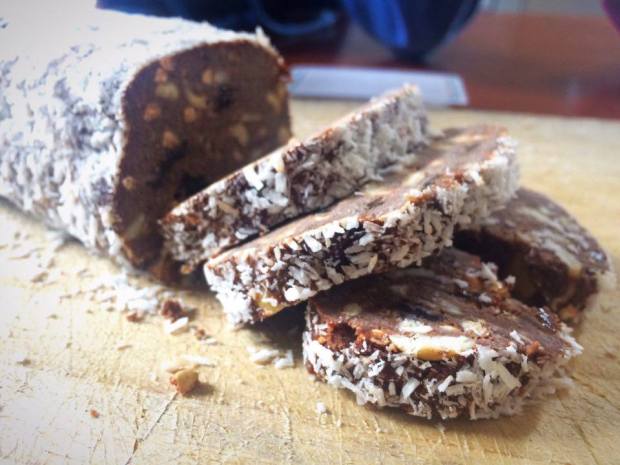
But my main memory of those Saturday mornings was the cups of tea and peanut slabs enjoyed by all the grown-ups afterwards while they stood around and talked. Fast forward a few years, and I still get the peanut slab cravings after a long run or ride. I thought I’d better come up with a more nutritious way to get that peanut-chocolate hit without the sugar rush that comes with a chocolate bar, so here it is. You’ll be pleased to know it still goes well with a cup of tea.

peanut-slab

Base

2 tablespoons rice syrup/maple syrup

3 tablespoons tahini

1 tablespoon coconut oil

3/4 cup almond meal

1/4 cup coconut flour

1/2 cup rolled oats


Caramel peanut topping

3 tablespoons rice syrup

4 tablespoons peanut butter

2 tablespoons coconut oil, melted

1 teaspoon vanilla essence

6 -8 dates, soaked in hot water for 15 minutes

1/2 teaspoon seasalt

3/4 cup raw peanuts

100 grams good quality 70% dark chocolate


To make the base, gently melt all the wet ingredients together. Pulse the oats in a blender until fine, the add to the wet mix with the rest of the dry ingredients. Press into a silicone or baking paper-lined loaf tin and put in the fridge to set.

To make the topping, put all the ingredients except the peanuts and chocolate into a blender and blend until whipped and smooth. Spread over the top of the base. Toast the peanuts in a frying pan over medium heat until lightly browned, then sprinkle and press these into the caramel topping. Finally, melt the chocolate and drizzle of the top. Put in the freezer to set.

You could modify this recipe if you prefer it to be all raw; just make your own chocolate topping from roughly even amounts of coconut oil, cacao powder, and maple syrup. Adjust to taste.

Or, for an even more decadent treat, use twice the amount of chocolate, and dip cut bars into it so they are completely chocolate coated.


5+ Tacos

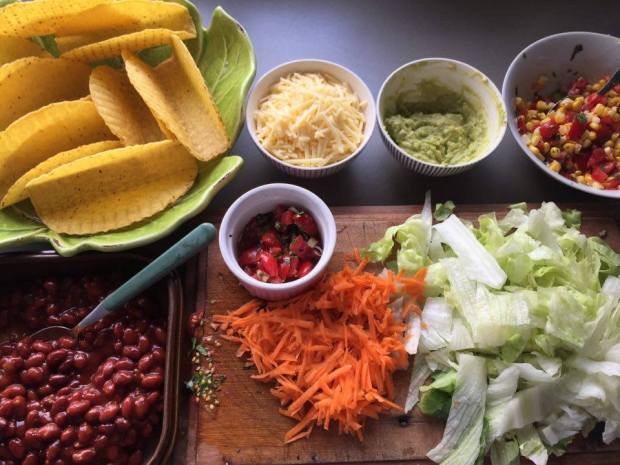
When the kids want tacos, but you want them to eat veges…these tacos have 6 serves of vegetables in them, not to mention plenty of fibre in the kidney beans. Win!tacos.jpg

When life gives you rainy Sunday…

…fill the tins! I had planned a day at the beach, but it seems summer is refusing to come to the party.

So instead I made a batch of sourdough, which I have turned into a loaf of bread, a batch of English Muffins for lunch, and some unbaked pizza scrolls to go into the freezer and bring out and bake on a school morning for lunches.

muesli

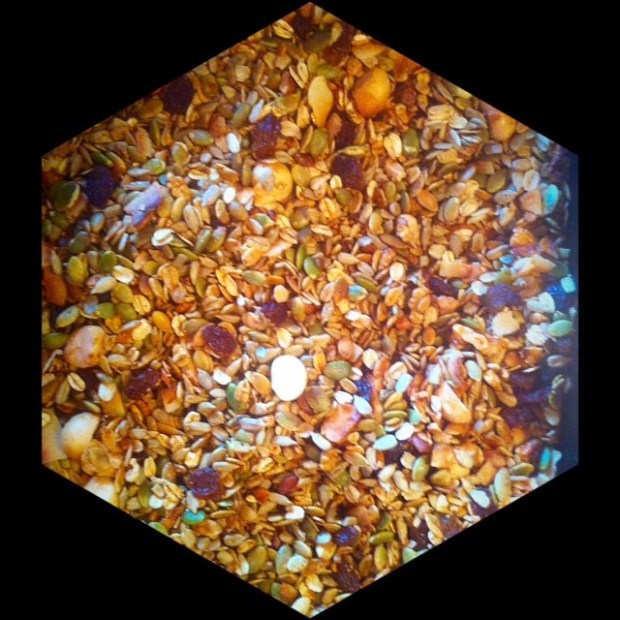
I also cracked out this rather fabulous batch of muesli, made with more or less equal quantities of wholemeal rolled oats, sunflower seeds, pumpkin seeds and nuts (in this case macadamias and walnuts). I also added a handful of coconut flakes, and coated the lot with 2 tablespoons each coconut oil, honey and peanut butter, and a teaspoon each of cinnamon and vanilla essence. I baked it at 160 degrees until the whole was golden brown, then threw in a couple of handfuls of sultanas for good luck.

Looking forward to having this for breakfast with fresh blueberries on top; at least summer has got them right this year!

Nostalgia

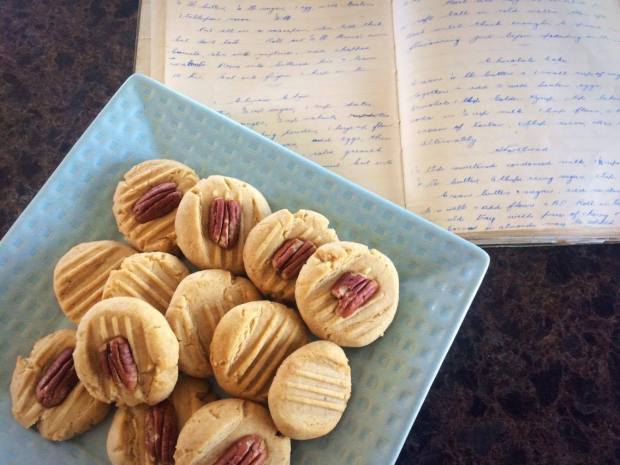
Every now and then I get all nostalgic and like to sit down with my Grandmother’s faithful recipe book, which I inherited after her death. Baking a recipe from it is a real treat, with its old measurements in pounds and ounces and obscure ingredients, all written in her beautiful sloped handwriting.

I couldn’t resist making her classic shortbread biscuits today, but with a nod to modern tastes with chai spices and pecans placed on top. Here is her decades-old recipe, with my additions tagged on.

shortbread

1 1/4 tablespoons condensed milk

1/4 pound butter

3 tablespoons icing sugar

1 1/8 cups plain flour

1 teaspoon baking powder


Cream butter and sugar. Add condensed milk and mix in well. Add flour and baking powder. Roll in balls and press on a cold tray.

*I took a few liberties with this recipe. I added 1/2 teaspoon each of cinnamon, allspice, cardamom and 1/4 teaspoon nutmeg. I popped a pecan on top because-yum! Grandmas’s recipe doesn’t specify oven temperature, but I cooked these at about 160 degrees until they were just starting starting to turn brown, which was about 15 minutes. The whole house smelt amazing!


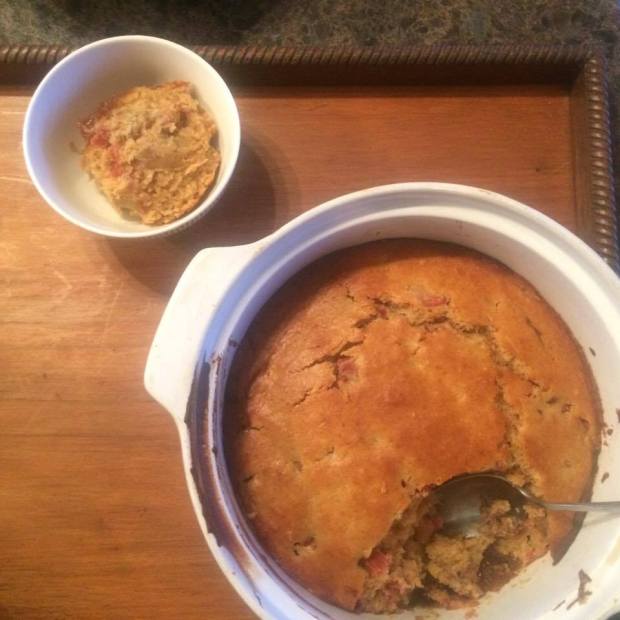
rhubarb & ginger pudding

Sometimes, when the rain is lashing the windows and the family hunkers down for another evening stuck inside, you need something warm and comforting. Last night was just such a night. I managed to dig out one of my Grandmother’s old recipes for steamed pudding, and tweaked it to make it more interesting. Having just commemorated 1 year since her death, it was a lovely link to the past. I did include 3 beautiful stems of rhubarb from my garden and some healthful spices, but let’s not kid ourselves; this pudding is neither particularly healthy or an everyday food. I believe that in a balanced lifestyle, nourishment takes all forms.

rhubarb-pudding

Baked Rhubarb and Ginger Pudding:

100 grams butter

1/2 cup brown sugar

1 egg

1/2 cup milk

1 large cup flour (could be replaced with gluten-free flour)

1 large teaspoon baking powder

1 teaspoon cinnamon

1 teaspoon ground ginger

1 teaspoon vanilla essence

3 stems rhubarb

3 tablespoons vanilla sugar or castor sugar

1/4 cup golden syrup, more or less to your liking


Melt the butter, then add the brown sugar, egg, flour, baking powder, vanilla essence and spices.

Chop the rhubarb into 5mm pieces and toss through the vanilla sugar. Stir through the pudding batter.

Grease a casserole dish and spread the golden syrup in a thin layer across the bottom. Pour the batter over the top and smooth out.

Bake at 180 degrees for about 20-30 minutes, or until golden brown.

Make sure everyone gets a dollop of the golden syrup sauce from the bottom of the bowl, or you may have a mutiny on your hands.

For extra indulgence, serve with custard, ice cream or runny cream.


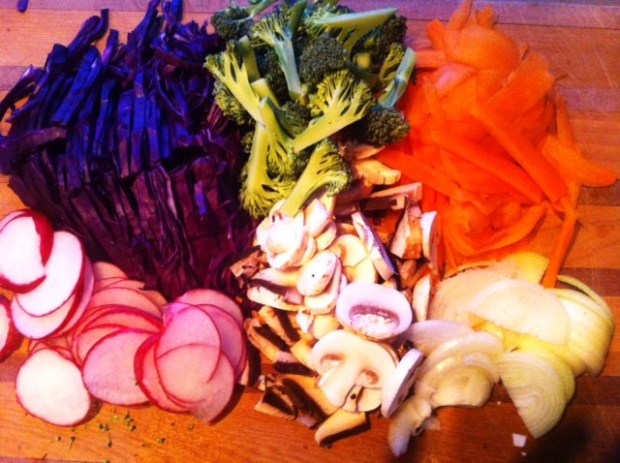
How to make a plate of vegetables sexy?


veges

I mean, I’d happily eat this lot steamed with a bit of soy sauce, but the family aren’t quite so easily pleased, so I needed to turn this bunch of raw veg into an appealing bowl of deliciousness with a couple of added enticements.

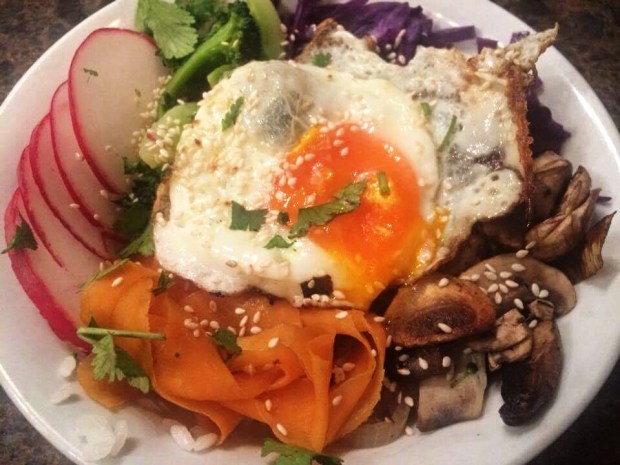
I thought I’d use the traditional Korean meal Bibimbap as my inspiration. In Korea, the rice and vegetables are brought out to the table in a stone bowl, and the raw egg is cracked over the top. The diner then adds a good dollop of spicy chilli sauce and mixes it all together while it’s still sizzling. I don’t have stone bowls, and I don’t do even remotely raw egg, so here is my take on Bibimbap:

bibimbap

2 cups Japanese sushi rice

3-4 cups vegetables. I used a sliced onion, sliced mushrooms, sliced radish, shredded cabbage, julienne carrot and broccoli. Beans, courgette and tomato would also be good.

4 free range eggs

Handful toasted sesame seeds

Handful chopped coriander leaves

1/4 cup sweet chilli sauce

1/4 cup rice wine vinegar

1 -2 teaspoons tabasco or similar hot chilli sauce to taste


Make the sauce by mixing the chilli sauces and vinegar together in a small bowl.

Cook the rice in a rice cooker or following packet instructions and keep warm.

Get a wok and a frying pan or skillet heating up; you want to cook each vegetable separately but quickly. Stir fry the vegetables and when ready, put a scoop of rice in each bowl and arrange the vegetables on the top.

Fry the eggs and top each bowl with one egg, a sprinkle of toasted sesame seeds and a sprinkle of coriander.

Serve with the chilli sauce to be stirred through according to taste.

Sexy vegetables!

Sometimes you just need vegetables!

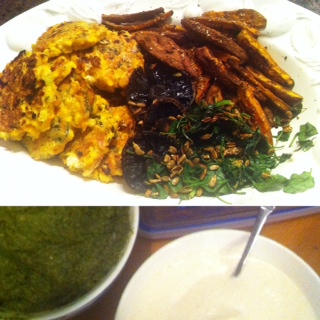
So here’s tonight’s vege-heavy dinner: vegetable fritters, cumin coated kumara wedges, mushrooms, spinach, raw cashew aoili and coriander pesto. The fritters are a great way to use up whatever vegetables are lying around and need using up; tonight’s numbers had carrot, corn, chilli, spring onion, silverbeet and pureed pumpkin, with a little bit of feta to sweeten the deal.

fritters

Healthy bounty bars

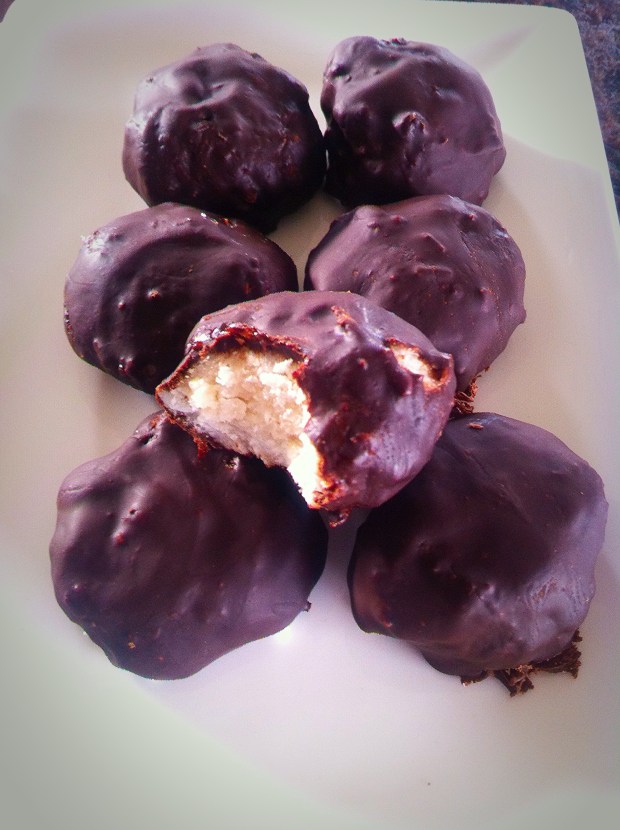
Plenty of people have tried to come up with a cleaner version of the classic Bounty Bar. Here’s my take for all the coconut lovers:

bounty

Ingredients

1 1/3 cups desiccated coconut

2 tablespoons coconut oil

1/2 teaspoon vanilla paste

1 tablespoon coconut flour

3 tablespoons cacao butter

2-3 tablespoons rice syrup according to taste

1/4 cup cacao powder


Blend the coconut, oil, vanilla and coconut flour in a high speed blender until it forms a sticky mixture. Roll into balls or bars and refrigerate for at least half an hour until cold.

Gently heat the cacao butter, rice syrup and cacao powder in a small saucepan until melted and smooth. Dip the coconut balls into the chocolate to coat, then return to the refrigerator to set.

Makes about 7-8 little balls or bars.