It seems like every day a new study comes out about which foods are ‘super’ and which ones are going to kill us. I don’t know if it’s just me, but beneath all the hype and contradiction, the same basic message seems to hold true; eat LOTS of fresh fruit and vegetables, some healthy wholegrain, some protein, some good fat, and avoid processed stuff as much as possible.
I find most of this advice pretty easy to follow, (as you can see from my salad recipes!), but find the advice around carbohydrates really confusing.
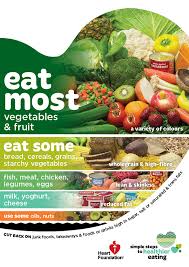
In New Zealand, the Heart Foundation has carbohydrates sitting second on the Food Pyramid in the ‘eat some’ category, just above fruit and vegetables and below meat and eggs. At the same time, there is a strong Low-Carb/No-Carb movement championing the removal of all carbs from our diet.
I am not a nutritionist, but have spent 20 years learning what works for me, and have come to some conclusions around carbs.
- Here in NZ we generally eat too much carbohydrate. Toast for breakfast, sandwiches for lunch, crackers for afternoon tea, rice for dinner; you get the picture. If you are looking to make a healthy change to your diet, carbs could be a good place to start.
- Many people, especially active people, need carbs. I know I do! Cutting carbs when you are burning a lot of energy through exercise can cause your body’s glycogen stores to deplete, forcing it to use fat or muscle protein. Find out more about why active people need carbs here.
- Glycaemic Index (GI) is more important than total carbs consumed. Eating low GI foods avoids blood sugar spikes and slumps, and helps maintain an even rate of energy burning. Becoming familiar with the Glycaemic Index could really help with your energy levels. You can find a good GI chart here
- Make your carbs count by eating as many whole grains and unprocessed products as possible. This means making some simple swaps, but by opting for the brown version, you will ensure you get all the nutrients in the outer layer of the cereal/vegetable that are taken away in processing.
- Timing matters. I need simple carbs (higher GI) before and straight after a big workout, and more complex carbs every 2.5-3.5 hours the rest of the time.
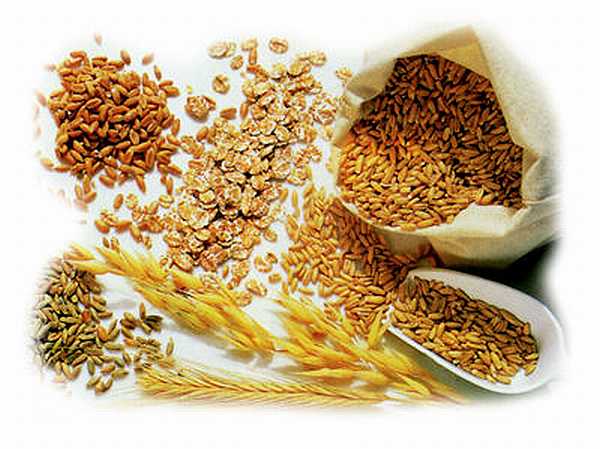
So, I need to remind myself that carbs are not baddies, I do need to eat them to fuel an active lifestyle, but I need to choose low GI, high-fibre, whole foods with as little processing as possible. I can do that.
 thefuelledfurnace
Stew has been reading up on the connection between carbs and high cholesterol. It’s been interesting and definitely worth a follow up.
LikeLike